

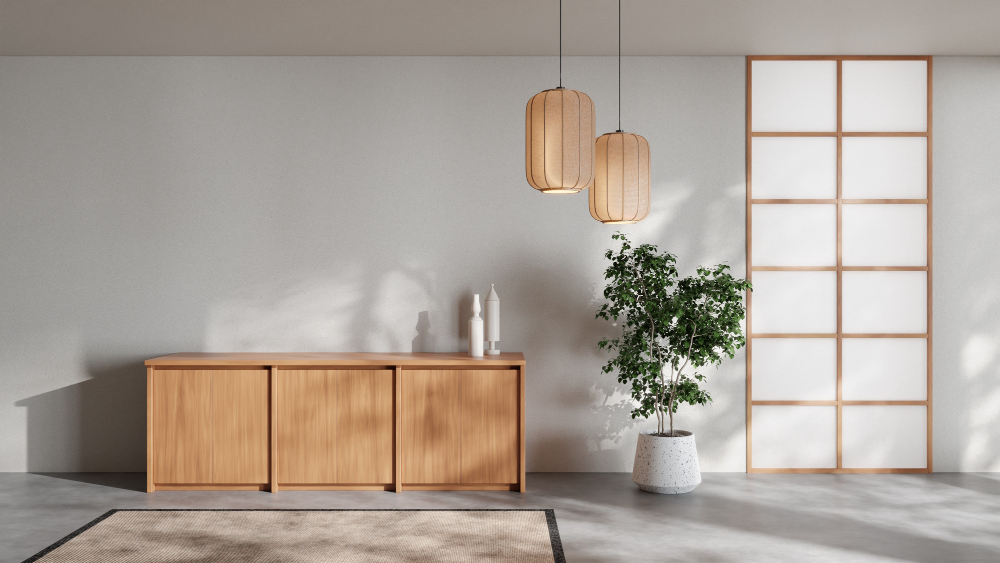
There’s a particular kind of regret that comes with staring at an old feature wall. Maybe it’s the deep aubergine paint that seemed bold in 2010, or the busy floral wallpaper that now feels more dated than charming. For years, “feature wall” was shorthand for a quick, often clumsy update, a single contrasting wall added to inject personality into an otherwise flat room. The results rarely aged well. But the idea itself hasn’t disappeared. It has grown up. In 2026, feature walls are returning as something far more considered, built around texture, light, and finish rather than colour clashes. If you’re already thinking about small home upgrades that make a big difference, a thoughtful feature wall belongs near the top of the list.
Why Feature Walls Are Back in a Quieter Way
The shift is away from contrast and towards depth. Today’s feature wall is less about shouting and more about adding a quiet wow moment to a room. Designers are using them to zone open-plan spaces, frame a bed or sofa, or simply add a tactile layer that flat paint can’t offer. The appetite is clearly there. UK lifestyle outlet Rest Less reports that wall panelling, fluted MDF, and textured finishes are among the most popular interior design trends for 2025, replacing the bold-paint feature wall of past years.
Trending Materials for Feature Walls
In 2026, modern unique materials have been gaining momentum. Here are some to explore for your next renovation project:
Polished Plaster for a Smooth, Light-Catching Wall
Polished plaster has quickly become the go-to for homeowners who want a feature wall that feels clean but still stands out. The finish reflects light softly, adding depth without relying on pattern or bold colour. It suits living rooms and main bedrooms where the goal is a calm, elevated atmosphere. Specialists like Evoke Polished Plastering show how the technique brings a premium feel to walls behind sofas, beds, and fireplaces.
Tip: Pair with a warm wall light or a low wall-washer to enhance the soft sheen after dark.
Microcement for a Sleek, Modern Surface
Microcement is the slightly more industrial cousin to polished plaster. It creates a seamless, continuous surface that works beautifully in bathrooms, hallways, and behind a kitchen island. Because there are no joins or grout lines, the finish feels architectural and modern, making it a strong choice for anyone planning bathroom upgrades where every surface counts.
Tip: Stick to soft greys, warm putty, or muted clay tones to stop the look from feeling cold.
Wood Panelling for Warmth and Shape
Traditional shaker-style or fluted panelling brings architectural interest that flat walls can’t match. It works particularly well in living rooms, dining areas, and bedrooms where you want a sense of structure and warmth.
Tip: Paint the panelling the same shade as the rest of the room. This colour-drenching approach feels more modern and immersive than the old contrast-block look.
Slatted Wood Walls for Soft Texture
Vertical slatted walls add rhythm, shadow, and a subtle softening effect to a room. The 2026 shift is away from dark walnut and towards lighter oak and maple, giving rooms a Japandi or Scandi feel. They suit home offices, bedrooms, and hallways especially well.
Tip: Run an LED strip behind the slats to create a low, glowing wash of light at night.
Limewash Paint for a Soft, Lived-In Feel
Limewash brings a chalky, cloud-like finish that adds movement without any pattern. It feels gentle, slightly imperfect, and full of character, which is exactly why it suits bedrooms and quiet corners.
Tip: Choose earthy tones like terracotta, soft sage, or warm taupe to lean into the cocooning trend that is dominating interiors this year.
Textured Wallpaper for Subtle Depth
For homeowners who want texture without the commitment of plaster or timber, textured wallpaper is an easy win. Grass cloth, faux concrete, and artisanal plaster-effect papers are leading the way, offering quiet depth instead of busy print.
Tip: Use it on the chimney breast or behind a bed to frame a natural focal point in the room.
Stone and Brick Slips for Natural Character
Stone and brick slips bring raw, tactile material into a space. They work beautifully behind fireplaces, in hallways, or as a backdrop in a snug. Soft, angled lighting brings out the natural variation in the surface.
Tip: Keep the rest of the room calm. Let the material do the talking without competing finishes nearby.
Choosing the Right Feature Wall for Your Home
The modern feature wall isn’t about making a statement for the sake of it. It’s about intention, material, and the way light interacts with a surface. Whether you choose polished plaster, slatted timber, or a soft limewash, the goal is the same: a wall that adds quiet character to a room without redesigning the whole space. Think about light, finish, and placement first. The colour conversation can wait. And if a single feature wall sparks bigger ideas, our home renovation services can help bring the rest of the room together.