

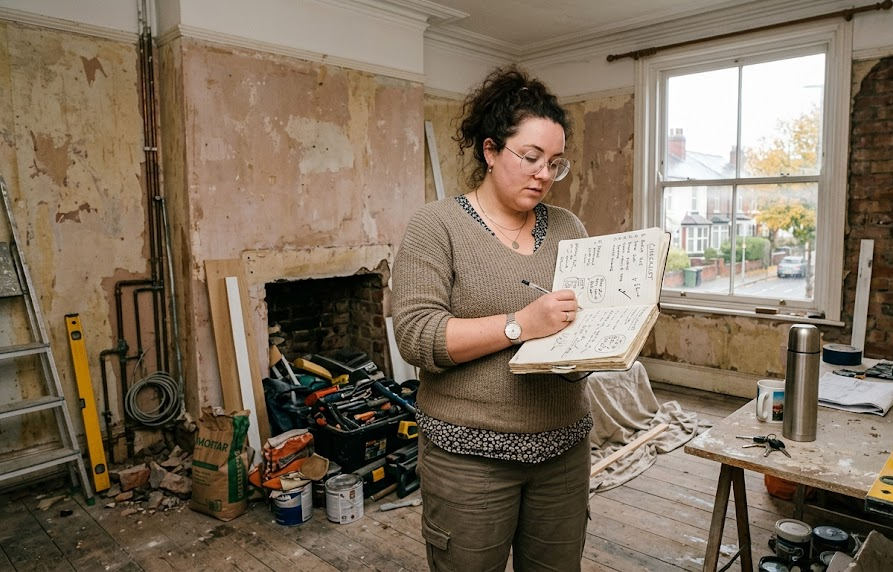
The paint colours are chosen, the inspiration board is ready, and the construction team is scheduled to arrive in three weeks. But then a big question arises: what should you do with the old kitchen? Suddenly, the excitement stops and reality sets in.
According to Aviva, about 7 million UK homeowners are planning renovations, and they are spending an average of over £14,000 each. With so many moving parts in a renovation, it’s easy to miss the less glamorous but critical details.
Renovations typically falter due to planning issues, waste disposal, permits, and access problems, rather than tile selection. These hidden details can lead to costly delays and stress. This guide explains five common issues that can disrupt even the best-planned projects. It will help you stay on track and within your budget.
At Make The Home You Love, we help you transform your living space today tailored to your unique style and needs, ensuring a space you’ll love.
Key Renovation Details People Often Forget
Here are the five key renovation things that people often forget to organise:
Book Your Skip Hire Early
Demolition work produces a large amount of rubble very quickly. Even just taking out a bathroom can fill a builder’s bag before lunchtime. A whole kitchen remodel can leave a big pile of broken tiles, old cabinets, and dusty plasterboard. A same-day skip from Proskips (Croydon) is a smart way to dispose tiles and debris from the start, keep the project clear from day 1.
Check Renovation Delivery Site Access
Before you buy anything big, measure your doorways, hallways, and stairs. It’s no fun if a sofa can’t fit around a corner, and a metal beam stuck in a narrow alley will cost you time and money. Let your suppliers know about any tight spots, such as narrow roads, parking limits, or even low-hanging tree branches. It’s also worth coordinating with your builder to schedule deliveries for when the crew can use the materials, instead of having them arrive too soon and block your driveway while getting rained on.
Protect Rooms You Want to Keep Clean
Dust from renovations spreads everywhere, just like rumours. It gets under doors, lands on shelves, and even shows up in closets on different floors. Before you start any noisy work, cover doorways with plastic, roll up carpets, and move furniture and fabrics away from the area. Also, cover air vents because dust can easily travel through your heating system. Spending ten minutes taping things up will save you a lot of cleaning time later, and you’ll be glad you protected your lungs.
Plan Where You Will Live
Staying on-site might seem cheap at first, but it can be difficult when you are trying to improvise, like balancing a kettle on a paint can to make tea. It is best to figure out early on if you’ll stay in your home the whole time, move to one room that’s not being worked on, or find somewhere else to stay during the messiest parts of the renovation.
A 2026 KBB Review report found that 38% of individuals renovating their homes spent more than they originally planned, and unexpected hotel stays were a common reason for this. So, it’s a good idea to include the cost of temporary housing in your budget from the very beginning rather than having to find it at the last minute when your room is full of dust.
Notify Your Insurer and Utilities
When you make big changes to your home’s structure, it can influence your insurance. Many regular policies do not cover large building projects. It is a good idea to call your insurance company before you even start any work and get written confirmation of your coverage.
You should also let your utility companies know, especially if you are removing walls that contain pipes or wires. Schedule inspections with Building Control at the right times so that work is not hidden before it gets approved. Taking care of these details now will save you a massive headache later.
For a visual representation of crucial project oversights, check out this guide detailing unexpected house renovation mistakes to keep your timeline on track.
Conclusion
When planning a successful renovation, it’s important to create a checklist rather than just collecting ideas. Before you start, think about how you’ll deal with things like trash, getting materials in and out, controlling dust, where you’ll stay if you need to move out temporarily, and any permits you might need. Writing this list down can help you keep track of what needs to be done. You will be glad you did once the project is finished. If you are interested in home renovation, contact us at Make The Home You Love now.

